Cryptocurrency, with its transformative potential, has captured the imagination of investors, technologists, and regulators alike. However, the regulatory landscape surrounding cryptocurrency is complex and continuously evolving. For a cryptocurrency product manager, navigating this landscape is not only about compliance but also about building trust and ensuring the platform's longevity. This article delves into the regulatory and compliance awareness essential for crypto product managers, with a focus on regional variations and best practices for implementation.
As the cryptocurrency market matures, regulatory scrutiny intensifies. Product managers in the crypto space must be adept at understanding and implementing compliance measures to avoid legal pitfalls and build user trust. This involves staying updated on the latest legal requirements, integrating compliance processes seamlessly, and anticipating regulatory changes. In this article, we explore the regulatory landscape across different regions and provide practical insights into compliance implementation.
Regulatory Landscape
Crypto regulations vary dramatically across the globe. Some countries, like Singapore and Switzerland, have embraced crypto innovation, establishing clear regulatory frameworks. Others, like China, have taken a more restrictive approach, banning certain crypto activities altogether. This patchwork of policies creates a complex operating environment for crypto businesses.
United States
In the United States, cryptocurrency regulation is fragmented, with various federal and state agencies overseeing different aspects. The Securities and Exchange Commission (SEC) regulates digital assets classified as securities, while the Commodity Futures Trading Commission (CFTC) oversees crypto derivatives. Additionally, the Financial Crimes Enforcement Network (FinCEN) mandates compliance with AML and KYC regulations.
In 2022, the SEC nearly doubled the size of its Crypto Assets and Cyber Unit, signaling its commitment to increased oversight and enforcement actions. Product managers must navigate this complex regulatory environment, ensuring compliance with SEC regulations and varying state-level regulations.
For example, companies like Coinbase have navigated these complexities by obtaining licenses in multiple states and ensuring robust KYC processes.
Insights for Crypto Product Managers:
- Regulatory Compliance: Understanding the distinct roles of the SEC, CFTC, and FinCEN is critical. Regularly review updates from these agencies to ensure compliance.
- State Regulations: Stay informed about state-specific regulations. Obtaining licenses in multiple states, like Coinbase, can help manage regulatory complexity.
- Legal Counsel: Engaging legal experts who specialize in cryptocurrency can help navigate the fragmented regulatory landscape.
- KYC/AML Processes: Implement robust KYC and AML protocols to meet federal and state requirements and build trust with users.
Canada
Canada's approach to cryptocurrency regulation is more centralized, with the Financial Transactions and Reports Analysis Centre of Canada (FINTRAC) as the primary regulatory body. As of June 2020, cryptocurrency exchanges must register as Money Service Businesses (MSBs) and comply with AML and KYC requirements.
The Canadian Securities Administrators (CSA) provide guidance on the application of securities laws to digital assets. In 2021, the CSA introduced a regulatory framework for crypto trading platforms, requiring them to register as investment dealers or become regulated as marketplaces. The Ontario Securities Commission (OSC) has approved several platforms, such as Coinberry and Wealthsimple Crypto, to operate as regulated marketplaces.
Product managers can draw inspiration from platforms like Bitbuy, which emphasizes compliance by incorporating tools such as Jumio for automated identity verification.
Insights for Crypto Product Managers:
- Centralized Regulation: Leverage the centralized regulatory framework by closely following FINTRAC and CSA guidelines.
- Proactive Compliance: Ensure that your platform meets the requirements for MSBs and securities regulation. Using automated identity verification tools like Jumio can streamline compliance.
- Market Positioning: Position your platform as a compliant and secure marketplace, which can attract more users and institutional partners.
Europe
The European Union (EU) has been proactive in establishing a comprehensive regulatory framework for cryptocurrencies. The Markets in Crypto-Assets (MiCA) regulation, proposed in 2020, aims to create a harmonized set of rules for crypto-asset issuers and service providers across the EU. MiCA will introduce stringent requirements, including capital requirements, investor protection measures, and environmental sustainability disclosures.
The EU’s Fifth Anti-Money Laundering Directive (5AMLD) brought crypto exchanges and wallet providers under AML and KYC regulations. Additionally, the General Data Protection Regulation (GDPR) impacts how user data is handled, emphasizing data privacy and security. Bitstamp, a Luxembourg-based exchange, complies with EU regulations and uses advanced verification systems to manage user data and ensure GDPR compliance.
Insights for Crypto Product Managers:
- Harmonized Regulations: Prepare for the implementation of MiCA by understanding its requirements for capital, investor protection, and sustainability disclosures.
- GDPR Compliance: Implement robust data privacy and security measures to comply with GDPR. Utilize advanced verification systems to manage user data securely.
- EU Directives: Stay updated on directives like 5AMLD that impact AML and KYC requirements. Ensure your platform is fully compliant to avoid penalties and build user trust.
Asia
Asia presents a diverse regulatory landscape. Japan has established comprehensive frameworks, with the Financial Services Agency (FSA) enforcing stringent requirements on crypto exchanges. In Japan, exchanges like bitFlyer adhere to FSA guidelines, including thorough KYC processes and maintaining secure user data practices.
Singapore has emerged as a crypto-friendly hub, with the Monetary Authority of Singapore (MAS) introducing the Payment Services Act (PSA) to regulate crypto businesses.
In contrast, China has taken a hardline stance, banning all crypto-related activities in 2021. Product managers operating in Asia must navigate this patchwork of regulations, tailoring their compliance strategies to each jurisdiction.
Insights for Crypto Product Managers:
- Diverse Regulations: Tailor your compliance strategies to each country’s regulations. For instance, adhere to FSA guidelines in Japan and PSA regulations in Singapore.
- Risk Management: Understand and mitigate risks in jurisdictions with strict or changing regulations, like China. Consider limiting exposure or adapting business models to align with local laws.
- Building Trust: Focus on implementing thorough KYC processes and secure data practices to build user trust, especially in highly regulated markets like Japan.
Middle East
The Middle East is gradually embracing cryptocurrency, with countries like the United Arab Emirates (UAE) leading the way. The UAE’s Securities and Commodities Authority (SCA) issued regulations in 2020 to oversee crypto activities, mandating comprehensive KYC and AML compliance. The Dubai Virtual Assets Regulatory Authority (VARA) oversees the licensing and regulation of crypto businesses in the emirate.
A good example is BitOasis, a Dubai-based exchange that aligns with SCA regulations, utilizing advanced compliance tools to ensure regulatory adherence and secure user experiences.
Insights for Crypto Product Managers:
- Emerging Regulations: Monitor regulatory developments closely as more countries in the region introduce crypto regulations. Align your strategies with progressive frameworks like those in the UAE.
- Regulatory Adherence: Ensure your platform complies with KYC and AML requirements set by authorities like the SCA and VARA. Use advanced compliance tools to streamline these processes.
- Market Opportunities: Leverage the growing acceptance of cryptocurrencies in the Middle East to expand your user base and market presence.
South America
South America's approach to cryptocurrency regulation has been mixed. Brazil has taken a proactive stance, with the Central Bank of Brazil introducing a regulatory framework for crypto assets in 2022. The framework includes requirements for crypto service providers to obtain licenses and implement AML/CFT measures. The Brazilian Securities and Exchange Commission (CVM) also plays a crucial role.
Mercado Bitcoin, a leading exchange in Brazil, exemplifies successful compliance by implementing robust AML and KYC protocols, enhancing its credibility and user trust.
In contrast, other countries like Argentina and Venezuela have been more cautious, with limited regulatory guidance. Product managers operating in South America must navigate this patchwork of regulations and stay updated on developments in each jurisdiction.
Insights for Crypto Product Managers:
- Regulatory Variability: Stay informed about regulatory updates in each country, particularly proactive markets like Brazil. Ensure compliance with frameworks set by bodies like the CVM and Central Bank of Brazil.
- Robust Compliance: Implement strong AML and KYC protocols to enhance credibility and trust, as exemplified by Mercado Bitcoin.
- Adaptability: Be prepared to adapt your strategies to varying degrees of regulatory maturity across different South American countries. This flexibility can help navigate market entry and operational challenges.
Compliance Implementation
Integrating KYC and AML Processes
KYC and AML processes are critical components of compliance. Product managers should prioritize seamless integration of these processes to enhance user experience while ensuring regulatory adherence. Automated tools like Jumio and Onfido can streamline identity verification, reducing onboarding times and improving accuracy.
Implementing robust compliance measures is crucial for crypto product managers to mitigate legal risks and build user trust. Here are some best practices for effective compliance implementation:
- KYC and AML Processes: Integrate Know Your Customer (KYC) and Anti-Money Laundering (AML) processes into the platform to prevent financial crimes and comply with regulatory requirements. Leverage automated identity verification tools like Jumio or Onfido to streamline these processes and enhance user experience.
- Data Privacy and Protection: Ensure compliance with data privacy regulations, such as the EU's General Data Protection Regulation (GDPR) and the California Consumer Privacy Act (CCPA). Implement robust data protection measures, including encryption, access controls, and secure storage solutions.
- Transaction Monitoring: Implement transaction monitoring systems to detect and report suspicious activities, such as money laundering or terrorist financing. Leverage blockchain analytics tools like Chainalysis or Elliptic to enhance transaction monitoring capabilities.
- Regulatory Reporting: Establish processes for regulatory reporting and information sharing with relevant authorities. Maintain accurate records and documentation to demonstrate compliance during audits or investigations.
- Continuous Training and Awareness: Provide regular training and awareness programs for employees to ensure they understand and adhere to compliance requirements. Foster a culture of compliance within the organization.
Staying Ahead of Regulatory Changes
Proactively monitoring regulatory developments is crucial. This can be achieved by subscribing to regulatory updates, participating in industry forums, and engaging with legal experts. Anticipating changes allows product managers to adjust strategies promptly, ensuring continuous compliance and mitigating risks.
The crypto regulatory landscape is constantly evolving, with new regulations and updates being introduced regularly. Product managers must stay vigilant and proactive to stay ahead of these changes. Here are some strategies to help you stay informed and adapt to regulatory changes:
- Monitor Regulatory Developments: Closely monitor regulatory developments in the jurisdictions where your platform operates. Subscribe to industry newsletters, attend conferences, and follow regulatory bodies' announcements to stay informed.
- Engage with Regulators: Participate in public consultations and industry forums to provide feedback and insights to regulators. Building relationships with regulators can help you stay ahead of potential regulatory changes and shape the regulatory landscape.
- Collaborate with Industry Associations: Join industry associations and working groups to collaborate with peers and share best practices. Collective efforts can help influence regulatory developments and promote industry-wide compliance.
- Implement Agile Processes: Adopt agile development and compliance processes to quickly adapt to regulatory changes. Establish cross-functional teams that can rapidly assess the impact of new regulations and implement necessary changes.
- Invest in Regulatory Technology (RegTech): Leverage RegTech solutions, such as compliance management platforms and regulatory monitoring tools, to streamline compliance processes and stay updated on regulatory changes.
Conclusion
Navigating the complex regulatory landscape of the cryptocurrency industry is a critical skill for product managers. By understanding regional regulations, implementing robust compliance processes, and staying ahead of regulatory changes, product managers can mitigate legal risks and build trust among users and investors. As the regulatory environment evolves, continuous learning and adaptation will remain essential for success in the dynamic world of cryptocurrency.
______
Sources
- Securities and Exchange Commission (SEC). SEC Cryptocurrency.
- Financial Crimes Enforcement Network (FinCEN). FinCEN.
- Financial Transactions and Reports Analysis Centre of Canada (FINTRAC). FINTRAC.
- European Union Fifth Anti-Money Laundering Directive (5AMLD). 5AMLD.
- General Data Protection Regulation (GDPR). GDPR.
- Financial Services Agency (FSA) Japan. FSA.
- UAE Securities and Commodities Authority (SCA). SCA.
- Brazilian Securities and Exchange Commission (CVM). CVM.
- Central Bank of Brazil (BCB). BCB.
- Regulation of Crypto-Asset Trading Platforms. Canadian Securities Administrators.
- SEC Nearly Doubles Size of Enforcement Crypto Assets and Cyber Unit. U.S. Securities and Exchange Commission.
- Markets in Crypto-Assets (MiCA). European Commission.
- Payment Services Act. Monetary Authority of Singapore.
- Dubai Virtual Assets Regulatory Authority (VARA). Dubai World Trade Centre Authority.
- Central Bank of Brazil Introduces Regulatory Framework for Crypto Assets. Reuters.
______
Note
This is the third part of a series that explores the essential skills you need to become an outstanding crypto product manager. Stay tuned for the next articles to dive deep into each skill and discover how to leverage them for success.
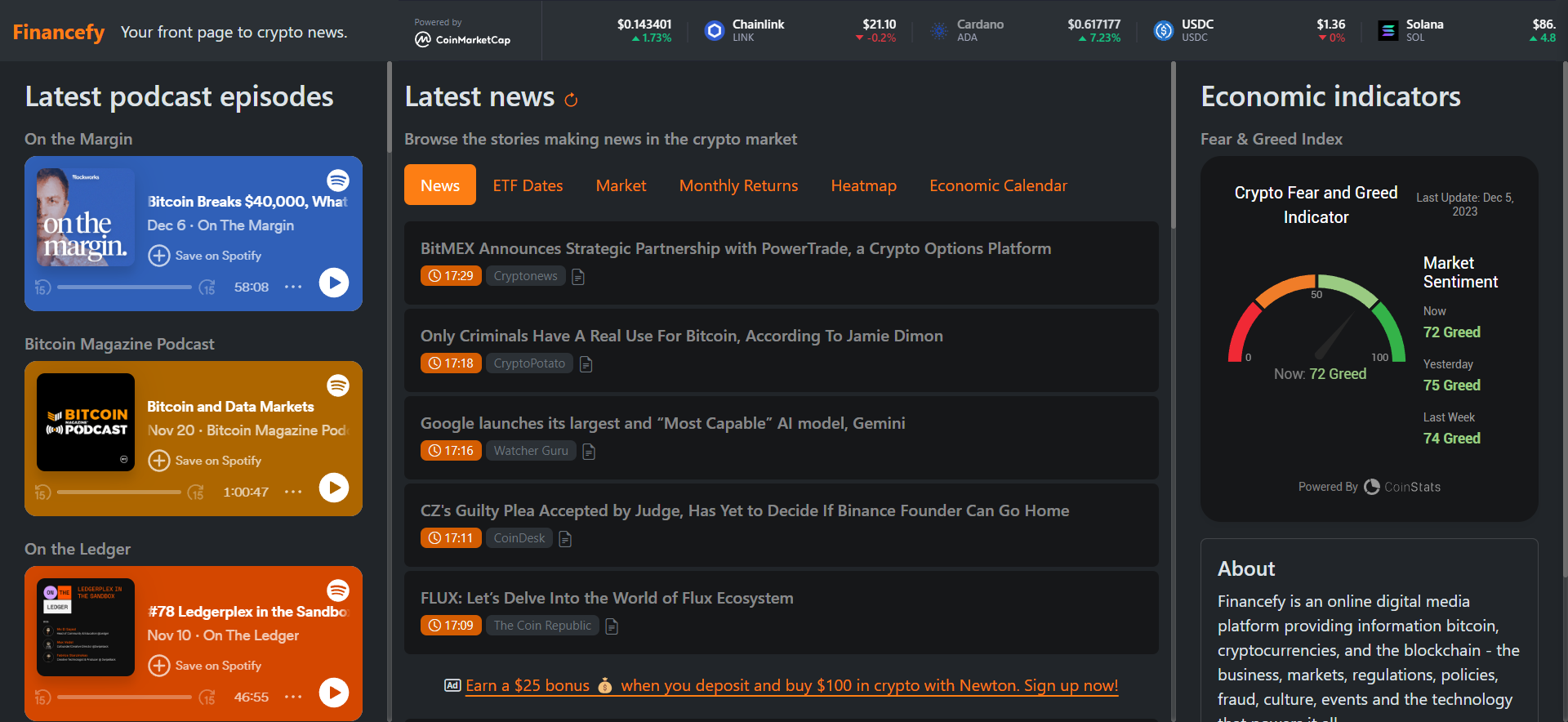
The front-page to latest crypto news
Financefy is an online digital media platform that covers the latest news, trends, and insights on bitcoin, cryptocurrencies, and the blockchain technology that powers them.
Visit FinancefyInsights for digital professionals
Browse expert insights from the most influential thought leaders in product management, UX, analytics, AI, SEO and marketing to help you build, launch, and grow digital products that solve user problems.
Visit INSIGHTS