The rapid evolution and complexity of the cryptocurrency market demand that crypto product managers possess a unique blend of skills to navigate this innovative landscape. Creating a secure, user-friendly, and compliant cryptocurrency platform requires a comprehensive understanding of the market, technology, and regulatory environment. For forward-thinking crypto companies, hiring a skilled crypto product manager is crucial.
If you're looking to advance your career in crypto product management or improve your company's platform, mastering these essential skills is a must. Read on to discover the key competencies that will set you apart in the fast-paced world of cryptocurrency.
What Is a Crypto Product Manager’s Product?
Although the job description can vary across companies and industries, all product managers share common responsibilities: driving the development of their company’s products and owning ultimate responsibility for their market success.
In the cryptocurrency industry, the product manager’s role involves a specific focus on digital assets, blockchain technology, and user experience. Let's say a company offers a platform for trading various cryptocurrencies. The product offering includes the digital assets themselves, but the real "product" is the secure, efficient, and intuitive platform that facilitates these trades. The crypto product manager is responsible for overseeing and optimizing this experience.
Here are the most important skills needed to succeed in this role.
1. Deep Understanding of Blockchain and Crypto Technology
To excel as a crypto product manager, a deep understanding of blockchain technology and cryptocurrency principles is crucial. This knowledge forms the foundation upon which all other skills are built.
- Technological Components: A crypto product manager must understand blockchain technology, smart contracts, decentralized applications (dApps), and cryptographic principles. For example, they should be able to explain how blockchain's immutable ledger ensures transaction security and how smart contracts automate transactions.
- Technical Knowledge: While not necessarily needing to code, they must be able to grasp technical challenges, work with development teams, and ensure the platform’s technical infrastructure is robust and secure. For instance, understanding consensus mechanisms like Proof of Work (PoW) and Proof of Stake (PoS) can help in making informed decisions about the platform's blockchain protocol.
Having a strong grasp of these technical aspects ensures that a crypto product manager can effectively oversee the development and maintenance of a secure and reliable platform.
2. Regulatory and Compliance Awareness
Navigating the complex and ever-changing regulatory landscape of the cryptocurrency industry is another critical skill for a crypto product manager.
- Regulatory Landscape: Cryptocurrency regulations vary widely across different jurisdictions. Product managers must stay updated on the latest legal requirements and ensure their platform complies with these regulations to avoid legal issues and build user trust. For example, understanding the implications of the EU’s GDPR on user data privacy and compliance.
- Compliance Implementation: Integrate KYC (Know Your Customer) and AML (Anti-Money Laundering) processes into the platform smoothly and efficiently. For instance, using tools like Jumio or Onfido for automated identity verification can streamline these processes.
Staying ahead of regulatory changes and ensuring compliance can help mitigate legal risks and enhance the platform's credibility among users and investors.
3. User Experience and Security Focus
Creating a seamless and secure user experience is paramount for the success of any cryptocurrency platform. Crypto product managers must prioritize both aspects to attract and retain users.
- User-Centric Design: Create an intuitive and user-friendly interface for both novice and experienced users, making it easy to navigate, trade, and manage digital assets. An example is implementing clear onboarding tutorials and simple navigation menus.
- Security Prioritization: Implement top-notch security measures to protect users’ assets and personal information from cyber threats. Regularly update the platform’s security protocols to address new vulnerabilities. For instance, using multi-factor authentication (MFA) and end-to-end encryption can enhance user security.
By focusing on user experience and security, crypto product managers can build trust and ensure long-term engagement with their platform.
4. Market Analysis and Strategic Vision
A keen understanding of market trends and a clear strategic vision are essential for staying competitive in the fast-paced crypto industry.
- Market Trends: Keep a close watch on cryptocurrency market trends, emerging technologies, and competitor strategies. Use this information to inform product development and stay ahead of the curve. For example, analyzing the rise of DeFi (Decentralized Finance) and how it can be integrated into your platform.
- Strategic Planning: Develop a clear product roadmap that aligns with the company’s long-term vision. Anticipate market shifts and be prepared to pivot strategies as needed. An example is planning for potential regulatory changes that could impact trading volumes or user behavior.
This strategic foresight enables crypto product managers to guide their platforms through market fluctuations and seize new opportunities.
5. Data Analysis and Metrics Tracking
To excel as a crypto product manager, utilizing data to make informed decisions is essential. This skill enables managers to base their strategies on concrete evidence, ensuring a more effective and efficient approach to product development and optimization.
- Informed Decisions: Track key metrics such as revenue, user engagement, and customer feedback. For example, understanding which features drive the most engagement or identifying pain points from customer feedback can guide priority adjustments and enhancements.
- Performance Analysis: Regularly analyze platform performance and user behavior to refine features and improve user experience. For instance, using analytics tools to monitor user flow and detect drop-off points helps in optimizing the user interface and overall platform usability.
Having a strong proficiency in data analysis and metrics tracking ensures that a crypto product manager can continuously improve the platform, making it more competitive and user-friendly.
6. Strong Prioritization and Risk Management Skills
In the rapidly evolving crypto landscape, product managers face a constant influx of ideas, requests, and potential features. Effective prioritization and risk management are crucial to navigate this dynamic environment successfully.
- Data-Driven Prioritization: Leverage data-driven prioritization frameworks like weighted scoring models, considering factors such as strategic alignment, market demand, technical feasibility, and risk assessment.
- Market Insight and Adaptation: Continuously monitor market trends, user feedback, and competitor activities to inform product roadmaps and priorities. Embrace an agile mindset, allowing for rapid adaptation and course correction in response to emerging risks or market shifts.
- Agile Risk Management: Implement robust risk management processes, such as security audits, bug bounty programs, and contingency plans for potential vulnerabilities or market disruptions.
By excelling at prioritization and proactively managing risks, crypto product managers can ensure their platforms remain competitive, secure, and aligned with strategic objectives, even in the face of rapid innovation and market volatility.
7. Effective Communication and Stakeholder Management
Clear communication and effective stakeholder management are crucial for aligning teams and ensuring successful product development and launch.
- Stakeholder Engagement: Clearly articulate the product vision, strategy, and roadmap to stakeholders, including investors, executives, and team members. This could involve creating detailed presentations and regular updates.
- Team Coordination: Collaborate effectively with cross-functional teams (developers, marketers, legal advisors) to ensure cohesive product development and successful launches. For instance, holding regular stand-up meetings to ensure alignment.
- Customer Feedback: Actively seek and incorporate user feedback to continuously improve the platform and address user needs. Using tools like surveys, feedback forms, and user interviews can provide valuable insights.
Effective communication helps build a shared understanding and commitment to the product’s goals among all stakeholders.
8. Partnership and Ecosystem Development
Building strong partnerships and fostering a thriving ecosystem around the platform are essential for growth and innovation.
- Building Alliances: Establish and nurture partnerships with other blockchain projects, financial institutions, and technology providers. For instance, integrating with popular DeFi protocols or securing partnerships with hardware wallet manufacturers can enhance the platform's capabilities and reach.
- Ecosystem Growth: Foster a vibrant community around your platform by engaging with developers, users, and other stakeholders. This can be done through hackathons, developer grants, and active participation in blockchain forums and events.
Strong partnerships and an active ecosystem can drive innovation and enhance the platform's value proposition.
9. Crisis Management and Problem-Solving
The volatile nature of the crypto market means that product managers must be prepared to handle crises swiftly and effectively.
- Issue Resolution: Quickly identify and resolve technical issues, security breaches, or regulatory challenges. Maintain user trust by managing crises effectively. For example, having a dedicated incident response team and a clear communication plan for handling breaches.
- Proactive Approach: Develop contingency plans and conduct regular risk assessments to prepare for potential problems and mitigate their impact. This could include regular security audits and stress testing the platform.
Proactive crisis management ensures that the platform can withstand and recover from unexpected challenges.
10. Innovative Mindset
An innovative mindset is crucial for staying competitive and pushing the boundaries of what is possible in the crypto space.
- Continuous Improvement: Foster a culture of innovation within the team. Encourage the exploration of new technologies and methodologies to enhance the platform’s features and performance. For instance, experimenting with AI and machine learning to improve trading algorithms or user personalization.
- Future-Oriented Thinking: Stay ahead of the curve by anticipating future trends in the cryptocurrency space and positioning the platform to leverage these opportunities. For example, exploring the potential of quantum computing in blockchain technology or integrating non-fungible tokens (NFTs) into the platform.
Embracing innovation helps crypto product managers create forward-thinking solutions that can lead the market.
11. Financial Acumen
Financial acumen is crucial for ensuring the sustainability and profitability of a crypto platform. Crypto product managers need to be adept at developing and refining revenue models.
- Revenue Models: Develop and refine revenue models, including transaction fees, subscription plans, and premium services, to ensure the platform’s financial sustainability. For instance, analyzing the impact of different fee structures on user acquisition and retention can provide insights into optimizing revenue strategies.
- Budget Management: While budget management remains important, the focus is on strategically allocating resources to maximize ROI. This involves monitoring expenditures and ensuring efficient use of funds.
By understanding the financial implications of their decisions, crypto product managers can create sustainable business models that support long-term growth and user satisfaction.
Conclusion
Crypto product managers play a pivotal role in the success of cryptocurrency platforms. Their ability to understand and manage blockchain technology, navigate regulatory landscapes, prioritize user experience and security, analyze market trends, handle finances, communicate effectively, manage crises, and foster innovation is crucial. By mastering these skills, they can create a secure, user-friendly, and competitive platform that stands out in the fast-paced and ever-evolving world of cryptocurrency.
If you found these insights helpful, share this article with your network and join the conversation by commenting below. Stay ahead in the crypto world by following me for more updates and insights.
______
Note
This is the first part of a series that explores the essential skills you need to become an outstanding crypto product manager. Stay tuned for the next articles to dive deep into each skill and discover how to leverage them for success.
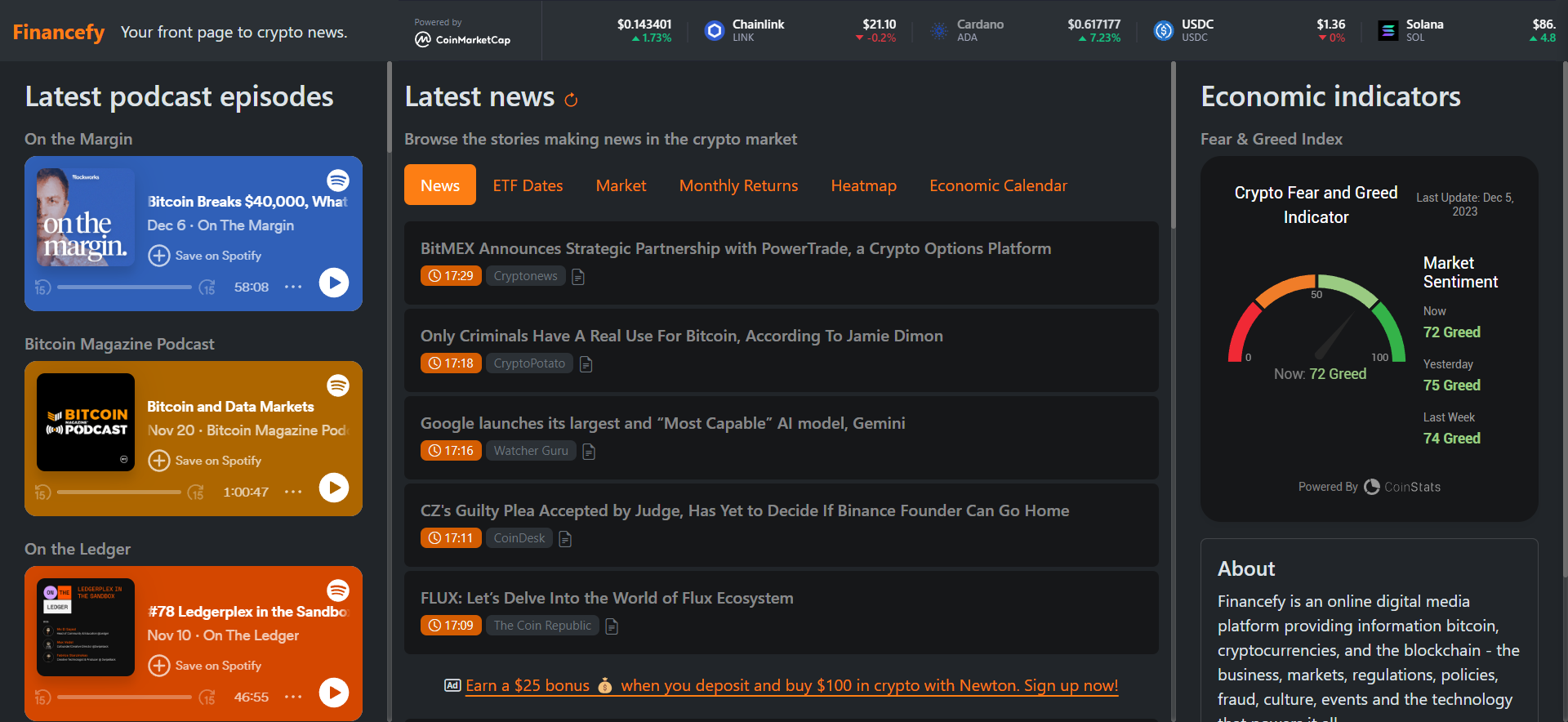
The front-page to latest crypto news
Financefy is an online digital media platform that covers the latest news, trends, and insights on bitcoin, cryptocurrencies, and the blockchain technology that powers them.
Visit FinancefyInsights for digital professionals
Browse expert insights from the most influential thought leaders in product management, UX, analytics, AI, SEO and marketing to help you build, launch, and grow digital products that solve user problems.
Visit INSIGHTS